Down and Stuck: Building a Hemp Bed That Gives a Cast Horse a Chance
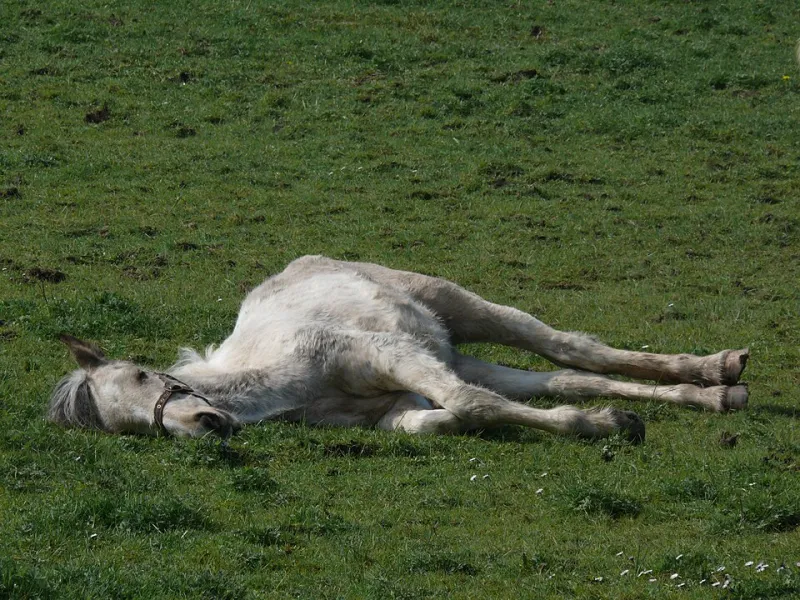
Photo: Andrew Gray, CC BY-SA 3.0, via Wikimedia Commons
A horse down against a stable wall, legs tucked under itself and panic rising, is one of the worst sights on any yard. Cast horses are not a rare freak event either. A good roll, a narrow box and a bank that has slumped in the wrong place can leave even a sensible horse stuck. The bedding is not going to rescue the horse on its own, but the way a hemp bed is built can either give a struggling animal a bit of purchase or make a bad situation worse.
Why the bed matters before anyone panics
A cast horse is usually a horse that has rolled too close to a wall and cannot get its legs underneath itself. The risk goes up in boxes where there is a deep, loose bed against the walls, because the horse can roll into the bank and get trapped in the hollow it creates. A bed that is too shallow and slippery is no better. The horse needs a stable surface to push against, but it also needs space to move.
Hemp bedding has a useful quality here: it knits together and takes weight without turning into a sliding heap of straw. That does not mean you should build a six-foot duvet. A deep, fluffy hemp bed can swallow a horse's legs and make struggling more exhausting. The aim is a bed that is supportive underfoot, firm at the edges and not so deep in the middle that the horse loses its footing.
The layout checks worth doing this week
Start with the banks. They should be firm wedges that stay in place, not loose piles that collapse when a horse leans on them. A hemp bank needs to be built up and pressed back, not just forked up against the wall. If your banks are constantly sliding down, the bed is probably too loose or too deep at the edges.
Keep the working bed in the middle sensible. For most horses, a hemp bed of around 10 to 15 centimetres over rubber matting is enough, with banks built higher along the walls. If your horse is a habitual roller, keep the centre slightly lower and the banks compact. Remove anything the horse can get a leg over: buckets, haynets hung low, loose rug straps, fork handles left within reach.
Check the box itself. Narrow stables and sharp internal corners increase cast risk. Anti-cast rails or a well-fitted rubber wall strip can help, but they are not a substitute for sensible bedding. If your horse has gone down before, talk to your vet about the box layout rather than simply adding more hemp.
A simple cast-horse drill
When you find a horse cast, call the vet immediately. Then keep the yard quiet. Shouting, running and crowding the box will only make the horse fight harder. Two calm people are usually better than six excited ones.
Do not crawl under the horse or kneel beside its legs. A struggling horse can strike out without meaning to. If the horse is calm and the vet is on the way, leave it alone unless it is in immediate danger. If you have been trained to help reposition a cast horse, follow your vet's advice and use ropes or straps properly rather than hauling on the head or tail.
Clear the area. Move wheelbarrows, forks and water buckets out of the way so the vet has a clean route in. Put other horses back if they are winding the cast horse up. Note the time you found the horse, how long it has been down and whether it has passed droppings. Have a headcollar and a lunge line ready, but do not use them unless asked.
What hemp does well under a struggling horse
Hemp is absorbent, relatively heavy and low-dust. Under a horse that has been down, that means less slipping than a loose straw bed and less mess than shavings that scatter. It also mucks out cleanly afterwards, which matters when you are resetting a box after an emergency.
What hemp cannot do is compensate for a bad box. If the bank is loose, the floor is sloping or the horse is panicking, bedding alone will not solve it. Think of hemp as part of the safety setup, not the safety setup itself.
After the event
Once the vet has seen the horse, rebuild the bed properly. Pull the banks back into shape, check for wet patches and remove any bedding that has been contaminated. Walk the box and look for sharp edges, loose mats or wall fittings that could have contributed.
Then review the routine. Was the bed too deep? Were the banks too loose? Is the horse bored and rolling more than usual? A cast horse is a warning shot. The hemp bed can help you answer the next one, but only if the layout around it is just as carefully built.