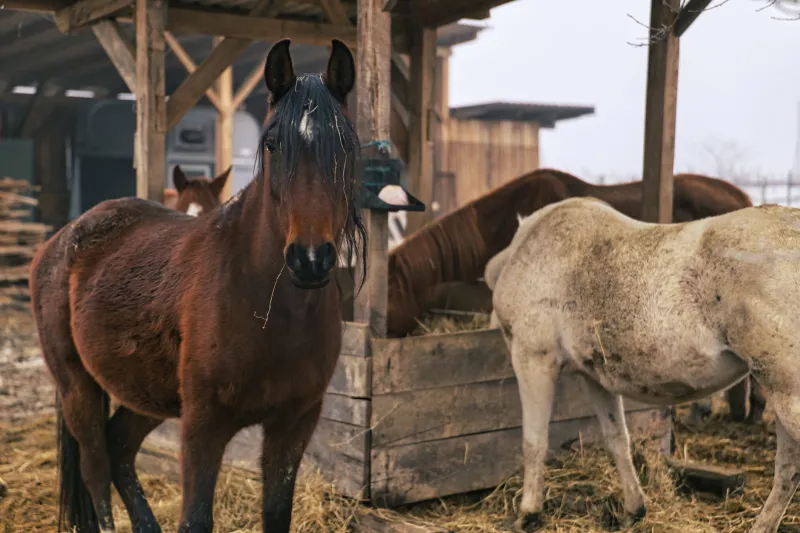
Hemp in the Bucket: What UK Horse Owners Should Actually Ask About Hemp Feed
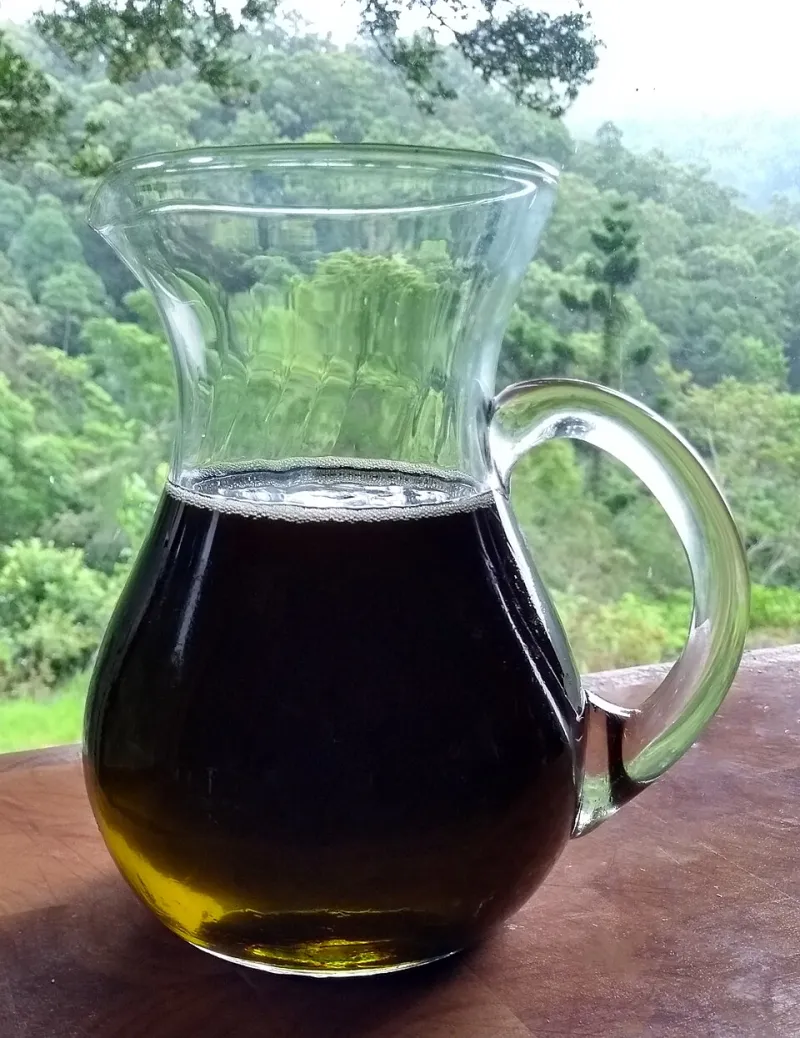
Photo: JasonHS, CC0, via Wikimedia Commons
Hemp has moved from the edge of the feed room to the middle of the conversation. You will see hemp seed meal, cold-pressed hemp oil and hemp-based pellets marketed for condition, coat, digestion and general wellbeing. Some of it is sensible. Some of it is a bag with a story attached. This is not an anti-hemp piece; it is a filter for UK horse owners who want to know what they are actually buying.
First, what is actually in the bag?
Hemp feed is not the same as hemp bedding. The woody shiv or hurd that makes a good stable bed is a different product from the seed and oil used in feed. Hemp seed is relatively high in oil and protein, with a useful amount of fibre. Hemp seed meal — the material left after oil has been pressed out — usually carries more protein and less fat. Hemp oil is a source of omega-3 and omega-6 fatty acids, plus vitamin E, but it is not a balanced feed and it is not the same as CBD oil.
That distinction matters. Hemp leaves and flowers sit in a different regulatory world from hemp seed and hemp oil, and unprocessed plant material is not something you should be tipping into a bucket because a social media post told you to. If the bag does not clearly say what part of the plant it contains, ask.
The nutrition case: useful, modest, not magic
Hemp seed meal can be a useful protein and fibre ingredient in a compound feed or a home mix, and hemp oil can add energy and omega-3 fatty acids. Palatability is generally good, though not every horse reads the same script. Introduce it slowly, keep the forage ration steady and do not assume that because it is plant-based it is automatically gentle on a good-doer.
Oil is energy-dense. A pony prone to laminitis or weight gain does not need a generous glug of hemp oil just because the label mentions omega-3. Hemp seed meal can also affect the mineral balance of a ration if it is fed at high inclusion rates, particularly around calcium and phosphorus. That is not a reason to avoid it; it is a reason to use it as part of a calculated diet rather than a random scoop.
The welfare evidence is where the marketing gets ahead of the science. There are plausible reasons to think that a better omega-3 to omega-6 ratio might support skin, coat and inflammatory balance, but robust equine trials on hemp oil are thin. Much of the confidence comes from other species, laboratory work or small studies. That does not make hemp useless. It makes it a feed ingredient with a modest, evolving evidence base — not a treatment for sweet itch, arthritis, laminitis or behavioural problems.
The UK regulatory picture, without the panic
Hemp grown for fibre or seed in the UK is subject to licensing and variety rules, and industrial hemp is bred to be low in tetrahydrocannabinol, or THC. Products sold as horse feed must comply with UK feed hygiene and labelling rules. In plain English, you should be able to see what the product is, what species it is for, its composition, its nutritional analysis, the batch number, the best-before date and the manufacturer or distributor.
A product described as a feed material is different from a complementary feed, and both are different from a medicine. Health claims on feed are tightly controlled, and medicinal claims are not allowed. If a bag promises to cure lameness, calm a fizzy horse or replace veterinary treatment, treat that as a warning sign rather than a selling point.
THC and contaminants are fair questions. Industrial hemp is low-THC by design, but batch testing and processing standards still matter. Hemp can take up substances from the soil, so a supplier who can provide a certificate of analysis for THC, heavy metals and mycotoxins is showing good practice. You do not need to become a laboratory technician; you just need to ask for the paperwork before you commit to a pallet.
What to ask your vet or nutritionist
Start with the horse, not the bag. Body condition, workload, metabolic status, forage quality and any history of laminitis, liver or kidney disease should shape the answer. Then ask the supplier or nutritionist:
- Is this a feed material or a complementary feed, and what is the legal description?
- What is the full nutritional analysis, including protein, fat, fibre, starch, sugar, calcium and phosphorus?
- What is the recommended inclusion rate for my horse's weight and workload?
- What is it replacing in the current ration, and does it unbalance the minerals?
- Can you provide a batch certificate for THC, heavy metals and mycotoxins?
- How variable is the product between batches, and how should I introduce it?
- What is the cost per day of the actual nutrient I am buying, not just the cost per bag?
If you are working with a nutritionist, bring the forage analysis and the full diet. Hemp is not a substitute for forage, salt, a balanced vitamin and mineral source or veterinary care. It is an ingredient. Treat it like one.
Yard hearsay versus evidence
A few claims deserve a polite raised eyebrow. Hemp oil is not a proven anti-inflammatory for horses. Hemp seed meal is not a complete feed. Hemp is not a wormer, a calmer or a cure for mud fever. Hemp bedding is not feed, and horses that eat their bed need a different conversation with the vet. Hemp being legal in feed does not mean every hemp product on the internet is legal, safe or correctly labelled.
The more defensible position is quieter: hemp seed meal and hemp oil can be useful sources of protein, fibre and fatty acids in a well-planned ration. They are not a shortcut to welfare. If you want to try a product, change one thing at a time, weigh it, keep the forage consistent and give it a few weeks. Watch droppings, appetite, coat, body condition and behaviour. If the bag has no analysis, no batch and no named manufacturer, leave it on the shelf.
Hemp has a place in the feed room. It just does not need a halo.