After the Skip: What Really Happens to Spent Hemp Bedding on a British Yard
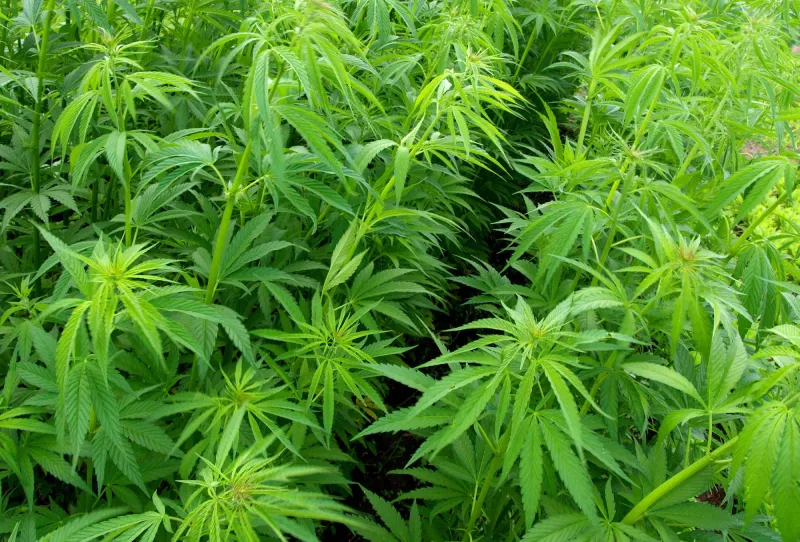
Photo: hemp horse bedding muck heap stable yard UK, via www.epicnaturalhealth.com
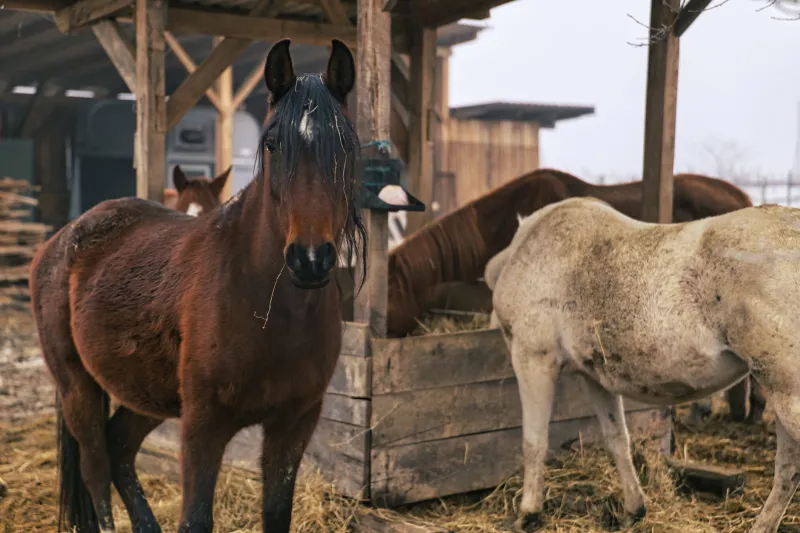
Hemp bedding gets plenty of attention while it is still in the stable. It looks tidy, it soaks up a fair amount, and it has a certain yard-owner appeal that straw and shavings sometimes lack. The more interesting question starts after the skip. What actually happens to spent hemp bedding once it joins the muck heap, and how does that compare with the traditional options on a UK yard?
The muck heap is a system, not a bin
Most yards treat the muck heap as a place where things go and are forgotten. In reality it is a small waste-management system. It has a volume, a weight, a drainage pattern and a timetable. Hemp bedding changes all four, though not always in the way people expect.
Hemp shiv is absorbent and woody. Mixed with dung and urine, it makes a dark, heavy muck that can sit differently from straw. Straw gives a loose, airy heap that heats up quickly. Shavings give a slower, more acidic heap that often hangs around for a season or more. Hemp tends to land somewhere in the middle: bulky enough to need space, but capable of breaking down into a decent crumb if it is managed properly.
How hemp breaks down compared with straw and shavings
On a working yard, a straw muck heap can be ready to spread in roughly three to six months if it is turned and kept damp but not soggy. Shavings are slower. A heap with a high shavings content often needs a year or more before it looks like anything a gardener would want. Hemp usually sits between the two. Expect six to twelve months for a mixed hemp-and-dung heap to rot down well, longer if it is cold, compacted or left untouched.
The key word is mixed. Pure hemp bedding that has been used in a deep-litter system may be thin on dung and high in carbon. That is not a disaster, but it needs nitrogen to get going. Stacking it with manure, grass cuttings or a little soil helps. Turning it once or twice gives it air. Leaving it in a soggy corner behind the barn does not.
What it does to the muck trailer
This is where hemp can surprise people. It absorbs a lot of moisture, so spent hemp bedding can be heavier per forkful than dry shavings. It also has a habit of sticking to the trailer bed and corners. Straw slides out. Shavings tip out in a lump. Hemp can need a scrape and a push.
That matters on a yard where the muck trailer is emptied once a week. A trailer that is overloaded with wet hemp is not just hard work; it is hard on the tow vehicle and the gateposts. If you are trialling hemp, watch how the trailer fills and how it handles. A slightly smaller load that tips cleanly is usually better than a brimmed trailer that has to be forked out by hand.
Spreading, storing and the UK rulebook
Manure and used bedding are not a free-for-all. In England, the Farming Rules for Water and nitrate vulnerable zone rules can affect when and where you spread. Wales, Scotland and Northern Ireland have their own frameworks. Storage needs to be sited away from watercourses and drains, and local council or environment agency guidance is worth checking before you change what goes on the heap.
Hemp does not create a special exemption. It is still manure and bedding, and it still needs to be stored and spread responsibly. The practical difference is that a hemp-heavy heap may rot down to a smaller, more even product than a shavings-heavy heap. That can make spreading easier, but it does not remove the need for a sensible distance from ditches, wells and yard drainage.
Selling or giving away spent bedding
Plenty of UK yards sell or give away well-rotted manure. Gardeners like it, allotment holders like it, and it keeps the heap moving. Spent hemp bedding can work for this, but only if it is properly rotted. Fresh hemp shiv in a bag is not compost. It is wood chip with a story.
A mixed hemp heap that has had six to twelve months to break down usually turns into a dark, friable material that is easy to bag. Shavings can still be visible and slow to break down. Straw can bring weed seeds if it was not well rotted. Hemp has an advantage in that it does not tend to bring the same weed burden, though it can look chunky if the heap has been too dry.
If you sell it, be honest about what is in it. A gardener who finds whole hemp chips and fresh dung will not be a repeat customer. A gardener who gets a crumbly, sweet-smelling compost will tell their neighbours.
A realistic yard routine
The simplest way to manage spent hemp bedding is to treat it like any other muck, but with a little more attention to moisture. Keep the heap edged and turned. Do not let it become a soggy mound in a corner. Keep the trailer load sensible. Check the rules that apply to your part of the UK. And give the heap time.
Hemp is not a magic bedding that disappears after the skip. It is a useful material with a reasonable afterlife, provided the yard gives it half a chance. The stable is only the first part of the job. The muck heap is where the real test begins.