Before the Big Night: A Stud Manager's Case Notes on Hemp in the Foaling Box
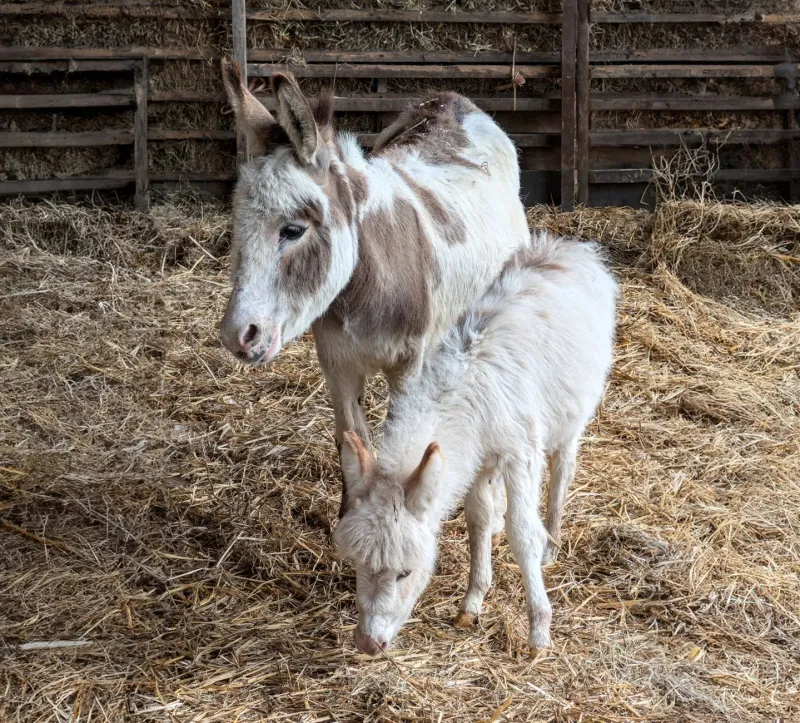
Foaling boxes are not really bedrooms. They are maternity wards, delivery rooms and neonatal units rolled into one, and the bedding has to hold up through all three. On a UK stud, the question of hemp versus straw tends to surface around January, when the first mares are bagging up and somebody spots a pallet of hemp bales in the barn. It looks tidy. It sounds modern. But does it suit a mare about to foal at two in the morning with a vet on speakerphone?
The short answer is that hemp can work well in the foaling box, provided you treat it as a different material rather than a drop-in replacement for straw. The longer answer involves depth, drainage, dust, hygiene between mares and the small matter of a newborn foal testing every surface with its nose and its legs.
What the foaling box actually asks of bedding
A foaling box has to absorb a lot of fluid quickly, cushion a mare who may lie down and roll repeatedly, and give a wobbly foal enough grip to find its feet without turning the floor into a skating rink. It also has to be clean enough to reduce the risk of infection at the navel and along the placenta, and it has to be manageable for whoever is on night watch.
Straw has generations of tradition behind it. It is warm, it banks well, and most stud hands can read a straw bed at a glance. Hemp bedding, by contrast, is denser and more absorbent per bale than many people expect. That density is its selling point in a wet box, but it changes how you lay it. A thin sprinkle of hemp over mats is not a foaling bed. It needs depth to work.
Absorbency, ammonia and the first twelve hours
Hemp's absorbency is the main reason a stud might consider it. Foaling is a wet business, and the first twelve hours can produce more fluid than a normal stable night. Hemp takes up moisture and holds it, which helps keep the surface drier underfoot. In practical terms, that can mean less slosh around the mare's hindquarters and a lower ammonia smell when the box is closed up.
But absorbency is not the same as self-cleaning. A hemp bed still needs skipping out and topping up, and the wet patches need lifting rather than burying. In a foaling box, the advantage is that the wet stays where it falls rather than spreading across the floor. The disadvantage is that a deep hemp bed can be heavy to muck out if it has been allowed to pack down. Plan for a proper skip-out after the mare has foaled, not just a cosmetic tidy.
One stud manager I spoke to uses hemp for the foaling box but keeps a straw bank around the walls. The hemp sits in the middle, where the mare will lie and the foal will land, while the straw gives that familiar nest shape at the edges. It is a hybrid approach, and it is worth considering if you want the absorbency without losing the traditional look and feel of a foaling bed.
Dust, draughts and a newborn's airways
Dust is where hemp often gets a good report. Good-quality hemp bedding tends to be lower in dust than straw, especially compared with straw that has been stored less than perfectly. For a foal taking its first breaths, that matters. A dusty box can irritate eyes and airways, and it is one more challenge in a first night that is already full of them.
That said, no bedding is dust-free. Hemp bales can still carry dust from storage and handling, and a badly stored bale will undo the best intentions. Check each bale before it goes into the foaling box. If it smells musty or throws up a cloud when you shake it out, put it aside. The same goes for straw, of course, but hemp's denser structure can hide a damp patch until you break the bale open.
Airflow is the other half of the equation. A deep hemp bed should not block the stable's ventilation or be banked so high that it traps stale air. Foaling boxes need to be warm without being stuffy, and that is a job for the building as much as the bedding. Hemp will not fix a badly ventilated box, but it can help keep the air sweeter if the muck is removed promptly.
Depth, banking and the tangled question of straw
Depth is the sticking point. Hemp bedding works best at a depth that lets it absorb and cushion, but not so deep that a foal disappears into it or a mare struggles to rise. A shallow hemp bed over rubber mats is easy to clean but offers little cushioning for a mare who foals standing and then lies down heavily. A deep hemp bed is more forgiving but can be harder to keep dry on top.
Straw still has an edge in one respect: it is easier to read. A stud hand can see where a mare has been down, where the fluid has gone and whether the bed needs a full reset. Hemp's uniform colour and texture can hide the story of the night. That is not a reason to reject it, but it is a reason to be more disciplined about checking the bed by hand rather than by eye.
For the foal, grip matters. Hemp bedding is generally less slippery than wet straw, but a bed that is too deep or too loose can still trip a newborn. Keep the surface level and avoid deep ruts. Some studs rake the hemp back from the walls after foaling so the foal has a firmer area to stand on while it nurses.
Between mares: the hygiene reset
A foaling box is only as clean as the last reset. Hemp bedding does not remove the need for a full empty-out between mares. Remove all bedding, sweep and disinfect the floor and walls, and let the box dry properly before the next mare comes in. Hemp's absorbency can make the bed feel dry on top while the base is still damp, so do not rely on appearances. Lift the bed and check.
Bale storage matters too. Hemp bales should be kept dry and off the floor, away from damp walls and vermin. A bale that has taken on moisture before it reaches the foaling box is a false economy. If you are buying hemp specifically for foaling, ask the supplier about the batch and check the bales on arrival rather than discovering a problem at midnight.
What the vet will want to see
A vet arriving for a foaling check will not judge the box on brand alone. They will look at whether the bedding is clean, whether the floor is dry, whether the mare has room to lie flat and whether the foal can stand without slipping. They will also want to know what the bedding is made of, particularly if there is any concern about the foal ingesting it. Hemp is not a feed, and a foal that nibbles bedding is a foal to watch regardless of what is underfoot.
The practical takeaway is to keep a clean straw option available if the vet advises a change. Some foals are brighter on straw; some mares are cleaner on hemp. A stud that can switch between the two without a drama is in a better position than one that has bet the whole foaling season on a single bale type.
A sensible trial before the big night
If you are considering hemp for the foaling box, trial it on a dry mare or a gelding first. Lay it at the depth you intend to use, skip it out as you would in a foaling box, and see how it behaves over a week. Check the air, check the muck heap and check your own back. Then decide whether it earns a place in the maternity box.
Hemp bedding is not a shortcut to a safe foaling. No bedding is. But it can be a sensible, low-dust, high-absorbency option for a UK stud that is prepared to manage it properly. The big night will still be the big night. The bed just needs to do its job quietly underneath.