Heat, Sparks and Stored Bales: A Winter Fire Briefing for Hemp-Bedded Yards
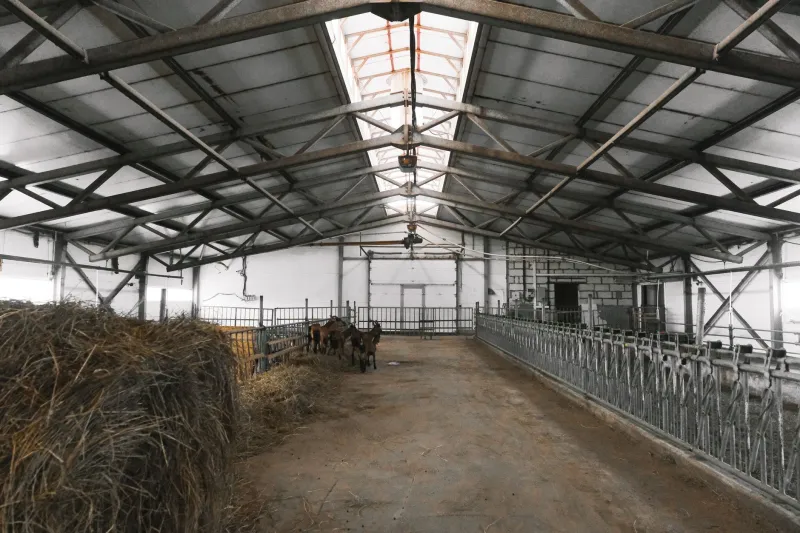
By Bonfire Night the yard has changed shape. Clocks gone back, horses in earlier, lights on by half four, hay steamers humming, clippers out of the cupboard and a stack of bedding bales that looked modest in September now filling one end of the barn. This is the fortnight when stable fires happen in the UK — and it is also the fortnight when a lot of yards have quietly switched to hemp and never revisited their fire plan.
Let's be clear from the off: hemp bedding is not fireproof. It is not fire-resistant in any meaningful technical sense, and no bedding salesman should be telling you otherwise. What hemp does offer is a different set of behaviours around heat, dust and storage — some of them helpful, some of them worth thinking about properly.
Why hemp behaves differently when it meets a spark
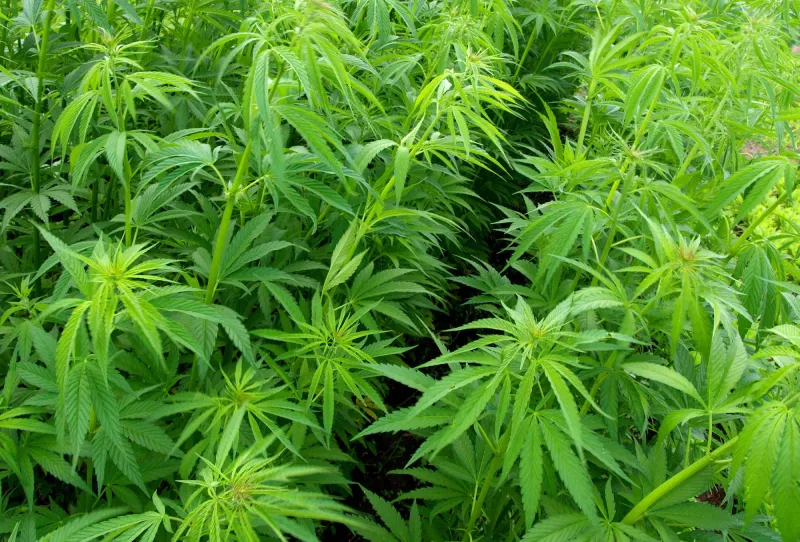
Hemp shiv is chopped hurd: dense, woody, and compressed hard into the bale. Straw is hollow tubes; shavings are thin curls of softwood. Hemp sits somewhere else again — heavier per volume, more absorbent, and much less inclined to throw a cloud of fine dust into the air when you shake out a slice.
In practice that means a loose wisp of straw catches and runs across a floor in seconds, while a hemp bed tends to sit and smoulder where the heat lands. That is not automatically good news. Smouldering is the sneaky one. A dense bed or a tightly stacked bale can hold heat inside itself, and by the time you notice smoke it has been cooking for a while. Anyone who has opened a barn and found a warm patch in a stack knows the feeling.
So treat hemp as slower, not safer. Same ignition sources, same consequences.
Where the genuine ignition risks sit on a British yard
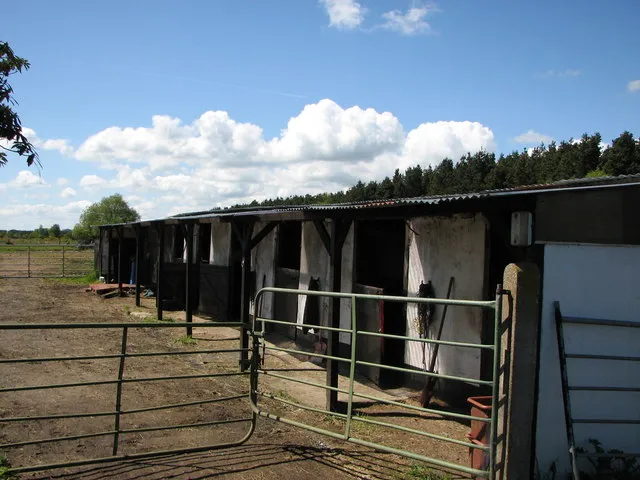
Almost every stable fire report from the last twenty years reads the same way: electrical fault, hot works, or something on the muck heap. In no particular order, the usual suspects on a UK yard in November are:
- Cheap halogen work lamps on cracked flex, plugged into an extension lead that has been coiled warm since 2019
- Rodent damage to cable in older timber blocks
- Clippers, kettles, fans and heaters sharing one socket in a tack room
- Welding, grinding or hot shoeing close to loose bedding
- Tractor and quad exhausts parked against a bale stack
- Smoking in or near the barn (it happens, and it happens more in winter)
- Damaged insulation on the mains feed to a field shelter
Muck heaps deserve their own paragraph. Damp bedding piled deep will heat, and hemp muck is heavier and wetter than most, which makes for a denser heap. Deep, damp, undisturbed heaps can reach genuinely alarming temperatures in the middle. Keep the heap turned, keep it away from the stable block and the bale store, and never tip fresh bedding onto a heap that is steaming.
Storing bales the way the fire service would like you to
A few things that cost nothing and buy a lot of goodwill with your insurer:
- Separate the store. Six metres clear, or a non-combustible wall, between bales and where horses stand. If you cannot manage that, cut the quantity you hold.
- Get it off the deck. Pallets or a dry concrete slab. Damp from below is how bales start to compost in the middle.
- Leave an air gap between the stack and any wall, and keep the stack below the eaves.
- Rotate stock. Oldest bales out first, no orphan bales at the back of the barn from three winters ago.
- Don't co-house fuel and hay. Diesel, petrol, gas bottles and hay steamers want their own space.
- Make the gate findable. A what3words reference and a postcode on the gate saves a fire crew ten minutes in the dark — and ten minutes is the whole game.
- Check the extinguishers and the water supply. Serviced, in date, and actually accessible when a bed is burning, not behind a stack of shavings.
If you want a belt-and-braces check, a cheap probe thermometer pushed into the centre of a stack once a fortnight is a better use of a tenner than most yard kit.
The conversation to have with your insurer this month
Most equestrian policies carry a "reasonable precautions" clause rather than a list of banned bedding types, so switching from shavings to hemp is unlikely to void anything on its own. That said, three questions are worth putting in writing to your broker before the cold really bites:
- Does the policy or schedule say anything specific about bedding, deep litter or bedding storage?
- What documentation would they expect to see after a fire — a fire risk assessment, electrical certificates, a maintenance log?
- We take liveries: is our cover and their liability clear if a fire starts in a shared barn?
Ask, get it in an email, file it. If a loss adjuster turns up in January, a tidy paper trail is worth more than any product claim on a bale wrapper.
A pre-winter checklist for the stable block
- Test every RCD and check plugs and flexes for rodent damage
- Replace halogen lamps with LED, and ban extension leads from the barn
- Clear six metres around the bale store and the muck heap
- Probe the stack, and write the reading on a whiteboard in the feed room
- Service extinguishers and check the water trough or hydrant is reachable
- Put no-smoking signs where people actually stand, not where they don't
- Confirm the yard's emergency plan: who calls 999, who moves horses, who opens the gate
- Walk the route a fire engine would take, in the dark, and move the trailer
None of this is glamorous, and none of it is really about hemp. It is about the fact that a bedding choice is only ever one line in a fire plan — and the fire plan is the thing that keeps the horses alive.
Switch bedding if it makes the yard better. Just don't let a new bale on the pallet convince you the old risks went out with the shavings.