Clean Floor, Honest Trot: Preparing a Hemp Bed for Vet Visits
Few things concentrate a yard owner's mind like the sight of the vet's van at the gate. Whether it is a routine lameness workup, a pre-purchase vetting or a trip out for imaging, the horse needs to be shown at its most straightforward, and the stable needs to help rather than hinder. A hemp bed can be a real asset here. It drains well, knits together underfoot and keeps dust down better than many traditional beddings when managed properly. But properly is doing a lot of work in that sentence.
What the Vet Actually Needs to See
Vets are not inspecting your bedding choice; they are reading the horse. They need a level, non-slip surface to watch the horse stand and turn, enough clean space to see hoof angles and limb placement, and a clear view of movement without a fog of dust or a swamp underfoot. A deep, fluffy bed may look generous, but if the horse sinks to its fetlocks every time it shifts weight, the vet is watching bedding, not lameness. The aim is a bed that is comfortable for the horse and honest for the examiner.
Depth Without Dirt
For most hemp beds, the working depth sits somewhere between four and six inches across the main lying area, depending on the horse and the drainage of the box. For a vet visit, resist the urge to top up to a show-stopping depth the night before. A fresh, deep layer can be loose and unstable, and it will move under the horse's feet just when the vet wants a still stance. Instead, fork over the existing bed a day or two ahead, remove wet patches and droppings, and leave the surface settled. If the bed has been deep-littered, take out the worst of the wet stuff at the back and leave a firm, level base. Hemp holds its structure well, but it still needs a clean start rather than a last-minute rescue.
The Standing Area and the Light
Many vets will want the horse standing square on a firm surface, often on the yard or in the box doorway, before they ask for a walk and trot up. If the box is bedded wall to wall, there is nowhere to stand the horse without it shuffling in deep litter. Pull the bed back from one side or from the door end to expose mats or concrete. That gives you a clean, level patch for the initial exam and a place to set down a hoof stand, X-ray plate or nerve block kit without it disappearing into the bedding. Light matters too: a dark box hides heat, swelling and subtle asymmetry. Clean the window, replace a blown bulb and, if the vet is coming late in the day, have a headtorch or a clip-on light ready.
Dust and Ammonia
Dust control is not just about the vet's nose. A dusty environment can make a horse cough, blink and shift its weight, which muddies the clinical picture. Hemp bedding is generally low-dust, but that reputation depends on how it is stored and how it is handled. Do not shake out fresh bales in a closed box just before the appointment. If you need to add bedding, do it the day before and leave the door open while you work. Check for ammonia at nose height, not just at floor level; if you can smell it standing at the horse's shoulder, the vet will too. A quick skip-out and a little ventilation are worth more than a last-minute air freshener.
Presenting the Horse Without Stripping Comfort
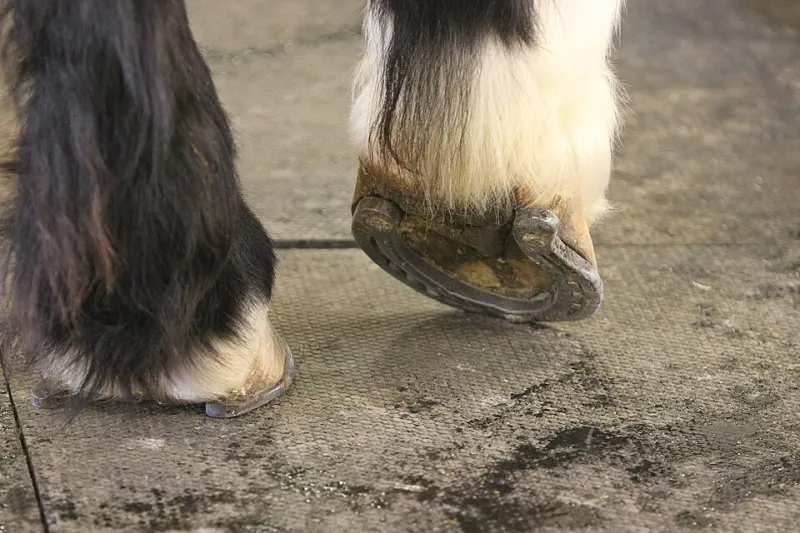
The horse still has to live in this box. Stripping the bed to bare rubber might give the vet a perfect view, but it leaves the horse standing on a hard, cold surface for hours before and after the visit. For a horse on box rest or a veteran with stiff joints, that is a welfare cost with no diagnostic benefit. Aim for a middle ground: a clean, firm standing area at one end or side, and a comfortable hemp bed retained for lying down. If the horse is shod, check shoes and clenches before the vet arrives; a loose shoe will show up in the trot-up and waste everyone's time. Bring the horse in clean, with feet picked out and no mud packed around the coronet, so the vet can see the hoof wall clearly.
A Pre-Appointment Checklist
- Confirm the appointment time and whether the vet needs the horse in the box, on the yard or on a hard surface.
- Skip out and remove wet patches 24 to 48 hours before, then leave the bed to settle.
- Pull back bedding to expose a level, non-slip standing area.
- Check lighting and replace bulbs; clear windows.
- Avoid adding fresh bedding immediately before the visit.
- Pick out feet, wash off mud and check shoes.
- Have the horse's passport, worming record and any previous vet notes to hand.
- Note the bed's recent history: when it was last fully mucked out, what depth it is at, and whether the horse has been eating bedding.
- Keep a clean bucket and water available.
Notes for the Vet History
Bedding changes can be clinically relevant. A horse that has recently switched to hemp, had a deep-litter bed removed, or been on a different forage may show changes in droppings, appetite or respiratory signs. Keep a simple yard diary: date of switch, depth, how often wet patches are removed, and any observations such as coughing, stable vices or reluctance to lie down. If the vet asks about the horse's environment, you can give exact dates rather than a vague few weeks ago. That is useful for any lameness or respiratory workup, and it makes you look organised.
None of this requires a show stable. It requires a clear floor, a settled bed and a horse that is comfortable enough to stand still and move naturally. Hemp gives you a good starting point, but the prep is still done with a fork and a bit of forward planning. The vet gets the view they need; the horse keeps the bed it deserves.