Frozen Taps, Steady Beds: A Hemp Winter Routine for the Long Cold Snap
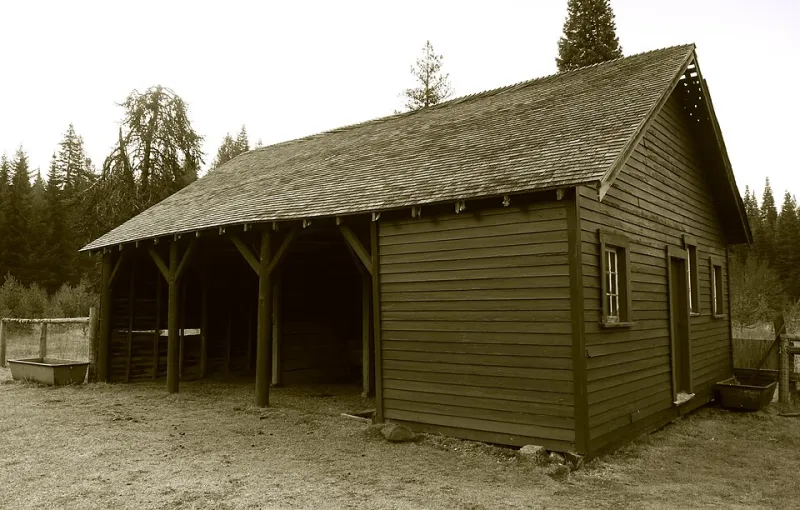
Photo: Rick Obst, CC BY 2.0, via Wikimedia Commons
The first proper frost usually announces itself before anyone has had a chance to find the good gloves. You arrive in the dark, the tap has seized, the wheelbarrow has a skin of ice and the horse is standing on a bed that looks perfectly respectable from the door. That is the moment to resist the urge to strip the lot and start again. A hemp bed in winter is less about dramatic resets and more about small, repeatable habits.
Start with the bed you have
A settled hemp bed is a working surface. It has a base, a top layer and a certain amount of structure that has built up since the autumn. The first hard frost is not the time to remove that structure in the name of cleanliness. If the bed is dry underneath and the horse is not standing in a wet patch, leave the base alone and work from the top down.
This is especially true on yards where horses are spending longer stabled. More hours in means more droppings, more urine and more traffic over the same square metres. The answer is not a thinner bed. A thin hemp bed in freezing weather is a fast route to a damp horse, a cold stable and a lot of wasted bales.
What frost actually does to hemp
Hemp still absorbs. Cold does not switch that off. What changes is the drying. Moisture that would have moved through the bed and evaporated on a milder day can sit in the lower layers, especially in a barn with little air movement. Frozen droppings are easier to lift in some ways, but frozen wet patches can turn into stiff clumps that look dry on top and are anything but underneath.
Bales stored in a cold shed can also become brittle and compressed. They are not ruined, but they need a little thought. Bring a bale into a drier, less frozen space before you need it, or at least break it up with a fork rather than wrestling with a solid block in the dark.
The morning fork: small passes, not a full strip
On a frosty morning, the aim is to remove what needs removing and leave the rest. Pick up the droppings, lift the obvious wet patches and break any crust that has formed around the door or under the haynet. Do not turn the whole bed over for the sake of it. Hemp that is repeatedly disturbed takes longer to settle and you will use more bedding trying to rebuild a surface that was already doing its job.
A useful rule is to work in patches. Do the front, the back and the area under the horse's usual standing spot. If the middle of the bed is dry and firm, leave it. If you can press a handful of hemp and feel cold dampness, that patch comes out.
Keep the depth, lose the mountains
Depth is your friend in winter, but only up to a point. A bed that is too shallow will let urine reach the floor and turn into a frozen, slippery patch. A bed that is too deep and loose can be hard for the horse to settle on and difficult to keep dry at the edges.
Aim for a consistent depth rather than a deep wedge against the wall. Top up little and often after mucking out, using enough hemp to restore the surface without burying the base. Banking can help on a bed with a draught along the wall, but a huge bank that never gets turned is just a place for damp to hide.
Frozen taps and wet bedding do not mix
Winter yard routines often involve more water carried, more buckets tipped and more spillage. Keep the drinker or bucket area as separate from the bed as you can. A soaked patch by the door will freeze first and is miserable for a horse to stand on. If a bucket is emptied or a trough overflows, clear the wet hemp rather than covering it with fresh bedding and hoping for the best.
When the tap is frozen, plan the water run before you start mucking out. It is easier to keep the bed dry if you are not juggling a full barrow and a leaking bucket at the same time.
Ventilation without a gale
A cold stable is not automatically a healthy stable. The aim is fresh air moving above the horse, not a wind cutting across its back. Hemp is a low-dust bedding, but that does not mean a sealed barn is a good idea in frosty weather. Open vents, top doors or windows as the yard allows, and keep the bed area free of unnecessary clutter that blocks air movement.
If the bed starts to smell sharp or the horse is coughing, look at ventilation and wet patches before you blame the bedding. In cold weather, a dry bed and moving air matter more than a warm-looking stable that has been shut up tight.
Bale storage and cold hands
Keep bales off the floor and away from the coldest wall of the shed. A pallet and a cover are simple but effective. Do not stack bales against a door that will be opened to a frozen yard, and do not leave a part-used bale outside where it can take on moisture. Cold hemp is harder to handle, so a little forward planning saves a lot of swearing at six in the morning.
The weekly check that saves the bed
Once a week, have a proper look rather than a quick fork-over. Lift a few patches at the back and front, check the floor at the edges and look under the water bucket. If the base is holding damp, take out the wet material and top up. If it is dry, leave it be. This is also the moment to check rugs, legs and hooves for signs of standing in wet bedding, especially on horses that are in more than usual.
A simple frost routine for 2026–27
In the morning, remove droppings and obvious wet patches, break any frozen crust and check the water area. In the evening, skip out again and top up thinly where needed. Once a week, check the base and the edges. Keep the bed depth steady, keep the bales dry and keep the air moving. It is not glamorous, but it is the sort of routine that gets a yard through a hard frost without wasting bales or leaving a horse standing in a cold, damp bed.