Mouths, Muck and Hemp: A Yard Guide to Bed-Eating Horses
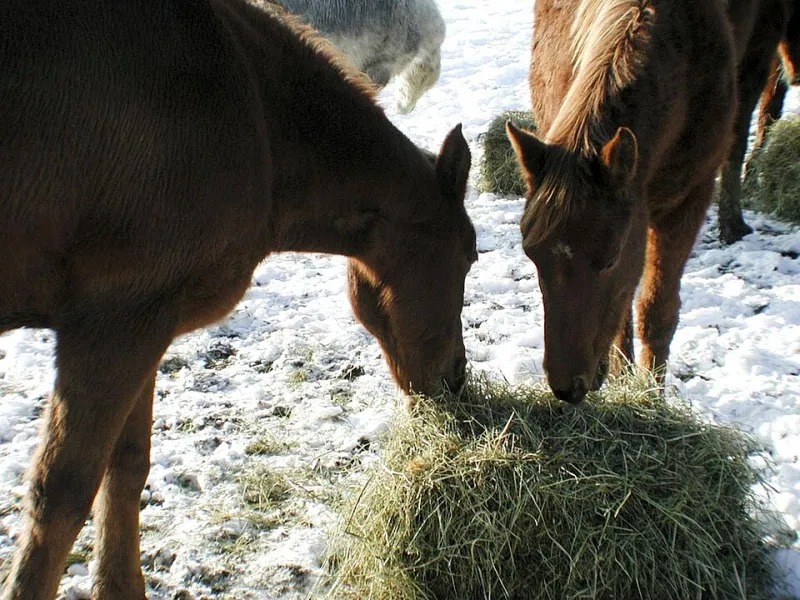
Photo: Unknown authorUnknown author, Public domain, via Wikimedia Commons
There is a particular sound that puts a yard owner on edge: the slow, rhythmic crunch of a horse working its way through its own bed. On a hemp yard it can be especially noticeable, because hemp bedding has a dry, fibrous texture that looks vaguely edible. Sometimes it is a passing curiosity. Sometimes it is a horse telling you something is missing. The trick is not to panic, and not to dismiss it either.
First, the honest answer on hemp
Hemp bedding is usually made from the woody core of the plant, sometimes called hemp hurds, rather than the seed or leaf. That matters. It is a fibre source, not a feed, and it is not formulated or quality-controlled like a horse feed. Some horses will nibble it; a few will eat it properly. Compared with shavings, hemp is generally less likely to cause a physical blockage if small amounts are swallowed, because shavings are not designed to move through the gut. Compared with straw, hemp is usually less palatable and lower in the sort of sugary appeal that makes straw a tempting snack for a hungry horse. But "less risky" is not "risk-free". Any bedding eaten in quantity can displace forage, irritate the gut, or introduce mould, dust and foreign objects. Hemp bedding is also not feed-grade, so labels and storage matter.
Boredom, hunger or pica?
These three get muddled, and the difference changes what you do next.
A hungry horse is usually easy to spot once you look at the whole day. Does the hay run out at 9pm and the horse stand with nothing until morning? Is it on a restricted diet for weight reasons? Is it lower in the pecking order and being chased off forage? Hunger-driven bed eating often stops when proper forage is available and the horse has something to do at the danger times.
A bored horse is often young, stabled for long periods, or stressed by a change in routine. The bed eating may come with weaving, box walking, wood chewing or a general restlessness. Hemp is attractive here because it is something to do. The answer is not simply more bed; it is more appropriate occupation and, where possible, more turnout or movement.
Genuine pica is different. This is a persistent appetite for non-food items: soil, wood, bedding, even droppings. It deserves a veterinary conversation. Dental pain, gastric ulcers, an unbalanced diet, liver problems and other underlying issues can all sit behind abnormal chewing. If a horse is eating large amounts of bedding, losing condition, or showing other odd behaviour, do not just buy a lick and hope. Book the vet.
What to watch for in the stable
Start with quantity. A few mouthfuls now and then is one thing; a bed that is visibly disappearing night after night is another. Check the droppings. Are they normal, or are there long fibres, loose droppings or a reduced output? Watch for colic signs: pawing, flank watching, lying down more than usual, rolling, going off feed or water. Any of those is a vet call, not a forum thread.
Also look at the horse rather than the bed. Is it holding weight? Are its teeth up to date? Is it drinking normally? Is it turned out enough? A horse that eats bedding often looks fine for a while, which is exactly why a bit of recording helps. A simple note on the stable door or a phone memo can tell you whether this is a new habit, a winter pattern or something that has been quietly building.
Simple fixes that actually help
Forage timing is the first lever. Horses are designed to eat little and often, and many bed-eaters are simply running out of fibre. Feed hay or haylage before the bed is put down, use several nets or a slow feeder, and consider a late-night top-up if the yard can manage it. Do not restrict forage for weight control without veterinary or nutritionist advice; a hungry horse on a deep hemp bed is a predictable problem.
Enrichment has a place, but keep it sensible. Low-sugar likits, a salt lick, a safe branch or a swede can give a stabled horse something to do. Avoid piling in sugary treats, which can upset the gut and make the horse more mouthy. Stable toys are not a substitute for turnout, but they can take the edge off a long evening.
Bed depth matters too. A decent bed is important for comfort and joint protection, but a horse that eats bedding does not need an overflowing box. Keep the bed clean, remove droppings promptly and avoid mixing fresh hemp with soiled material. If the horse is eating the bed, check the bale storage as well: damp or mouldy hemp is a welfare risk, not just an economic one.
When hemp is the bed and the horse is the problem
If the horse is genuinely eating a lot of hemp, talk to your vet before making a dramatic switch. Sudden bedding changes can cause their own disruption. In some cases, the answer is better forage, more turnout and a closer look at dental care. In others, the horse may need a different bedding setup, at least temporarily. Rubber matting with a smaller bed can reduce intake, but it is not a complete solution for a horse that needs deep, dry bedding.
On a livery yard, communication matters. A horse that eats its bed can look like a messy horse or a greedy horse. It is worth telling the yard owner and anyone who mucks out, so everyone is watching the same thing. Keep the tone practical: no blame, no drama, just a shared note about how much is going in and how much is coming out.
The bottom line is neither alarmist nor salesy. Hemp is not a poisonous bedding, and many horses ignore it completely. But a horse that treats the bed as a snack is giving you information. Watch the amount, check the forage, look at the droppings, and call the vet when the signs point that way. That is proper yard husbandry, whatever the bedding.