Easy Keepers on Hemp: Sorting the Sales Pitch From the Science
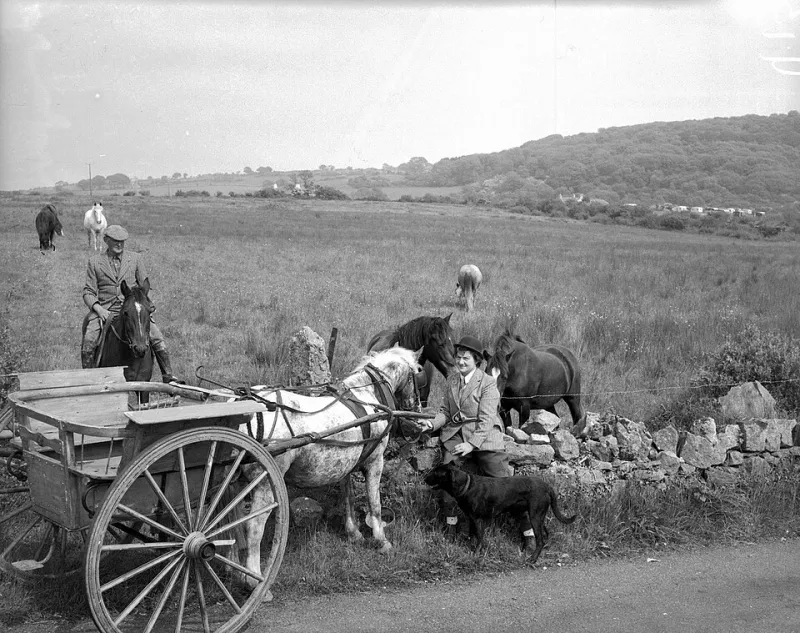
Photo: Geoff Charles, CC BY-SA 4.0, via Wikimedia Commons
If you own a Welsh Section D, a Highland, a Fell, a New Forest or a bog-standard hairy cob, you already know the drill. Your pony looks magnificent on fresh air and a handful of nothing. Every feed company in the country would like to change that. Hemp is the current darling of that pitch, and while there is genuine good sense in some hemp products, there is also a lot of marketing aimed at people who feel guilty about feeding a scoop of chaff.
Let's go through it properly.
The good-doer's real problem isn't protein
Browse any hemp feed page and you'll see crude protein figures in the high twenties or even thirties, delivered with a triumphant tone that suggests your pony is somehow deficient. It almost certainly isn't.
A mature pony at maintenance needs somewhere in the region of 8–10% protein in the total diet, and decent forage delivers that comfortably. A 300kg native eating 2% of bodyweight in dry matter — around 6kg — is taking in somewhere near 500g of crude protein a day from hay alone. A 250g scoop of a 30% protein hemp meal adds about 75g. That is not nothing, and the amino acid profile of hemp is genuinely decent, but it is not the thing that will transform your pony's topline. Forage does that, plus correct work and time.
Where protein claims do matter is in the young, the elderly, the poor-doer and the convalescent. If your pony is a good-doer, protein is not your bottleneck.
What hemp actually brings to the bucket
Hemp comes in several forms and they behave very differently:
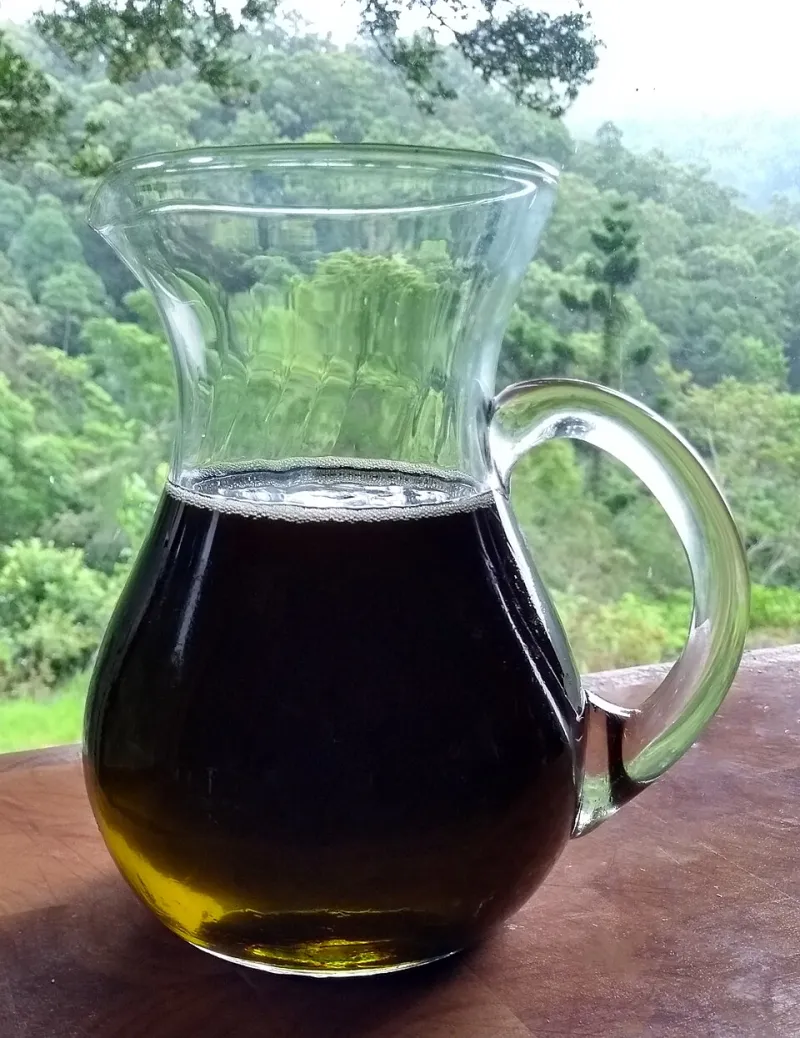
- Hemp seed and full-fat hemp cake — high in oil, high in protein, calorie-dense. The oil is rich in omega-3 (alpha-linolenic acid) and omega-6, which is where the coat-shine claims come from.
- Hemp meal after oil extraction — still a decent protein source, much lower in oil, so lower in calories.
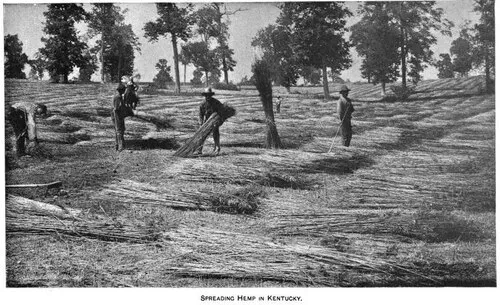
- Hemp fibre or hulls — bulky, high in fibre, low in energy, and closer in role to a chaff than a nutrient powerhouse.
The important distinction is between products that are essentially a low-calorie fibre extender and products that are quietly a fat supplement in disguise. Both are sold as 'hemp feed'. Knowing which you've bought changes everything about how much you should feed.
The calorie question nobody puts on the bag
Fat carries roughly two and a quarter times the digestible energy of starch or sugar gram for gram. A full-fat hemp product can be a genuinely useful way to add condition to a thin horse. Feed it to a cresty native and you've simply found a more expensive route to the same problem.
As a rough guide, a 300kg pony at maintenance needs somewhere in the region of 60 MJ of digestible energy a day. A 100g dose of hemp oil contributes a handful of megajoules — meaningful if you're feeding it daily, and worth counting. A 500g feed of an oil-rich hemp cake could contribute a tenth or more of the day's energy on its own, on top of a forage ration that's already meeting requirements.
None of that makes hemp bad. It makes it a feed to weigh rather than scoop by eye, particularly for a pony that gains condition by looking at a feed sack.
Laminitis: where hemp fits and where it doesn't
Good news first: hemp seed and hemp oil are naturally low in starch and sugar, so they don't deliver the rapid glucose and insulin spikes associated with cereal-based feeds. For a pony with a history of laminitis, that's a point in hemp's favour compared with, say, a molassed mix.
But low sugar is not the same as low risk. If your pony is overweight, insulin-dysregulated or has PPID, the driver of laminitis risk is body condition and the underlying endocrine condition, not the sugar content of a 200g feed. Adding a low-sugar hemp product to a ration that's already too generous changes nothing fundamental. The work is done with forage restriction, weight loss, exercise where the feet allow, and veterinary management of any underlying disease.
Equally, watch for blended hemp products — bagged feeds that include hemp as a headline ingredient but also carry molasses, cereal or alfalfa. Those blends can look excellent in the marketing and read very differently on the ingredients list.
Reading a label like a nutritionist
A few habits worth adopting in the feed shop:
- Find the category. Is it a compound feed, a complementary feed, or a straight feed material? Complementary feeds are formulated to be fed alongside forage and often carry vitamins and minerals — which affects how much you should feed and whether you also need a balancer.
- Look for declared sugar and starch. Many bags don't state them. If they aren't printed, ring or email the manufacturer and ask. A decent company will give you the figures without drama.
- Check the ingredients list order. Ingredients are listed by weight. If hemp appears fourth behind three cereal products, you're not buying a hemp feed in any meaningful sense.
- Ask about amino acids, not just crude protein. Crude protein tells you about nitrogen, not quality. Lysine is usually the first limiting amino acid in forage-based diets, so a full amino acid breakdown is the useful document.
- Check certification. Feed assurance schemes and the British Equestrian Trade Association's prohibited substances scheme are worth looking for, particularly for a competition pony.
- Be aware of the regulatory picture. Industrial hemp used in UK feed comes from approved low-THC varieties, and the permitted feed materials are essentially the seed-derived ones. CBD is not an authorised feed ingredient for horses, whatever the internet says. Be wary of any product making therapeutic-sounding claims; feed is not medicine.
A realistic ration for a 300kg good-doer
Suppose you have a 300kg native, body condition score around 6 out of 9, hacking twice a week, living out with some grazing and hay in the field.
The ration that keeps that pony well is usually unglamorous: weighed forage, soaked if you're worried about sugar, a low-calorie vitamin and mineral source, salt, and a token handful of low-energy chaff to carry it. If you want to add hemp for coat and omega-3s, a modest 50–100g of a low-oil hemp fibre or a small measure of hemp oil is a reasonable experiment — and if the pony gains weight on it, cut back. For a good-doer in hard work (which is rare), a higher-oil hemp product makes more sense.
If you're feeding a hemp product at the recommended rate on the bag, do the arithmetic on the extra energy before you commit to a 20kg sack.
The honesty test
Give it three months. Take a body condition score, a weigh tape reading and a photograph from the same spot on the same day of the week. Feed the hemp alongside everything else you're doing, then compare. If the coat is better and the weight is stable, fine — keep it. If nothing has changed except the feed bill, you've answered the question.
Hemp has a genuine role in equine feeding: good oil profile, useful protein, low sugar, and a fibre fraction that suits some horses well. It is not a shortcut past the two things that actually matter for a native pony — controlled forage and controlled waistline.